Email us:sales@sinofote.com
Yes, Hammer Crusher is able to break FRP Scrap. It is a kind of high-efficiency, resource-saving, high-tech equipment in stone crushing industry, integrating the domestic and western advanced technology and production experience, not only brings the following advantages to the users: reliable performance, big capacity, less-cost resources, but also cases less dust and noise.
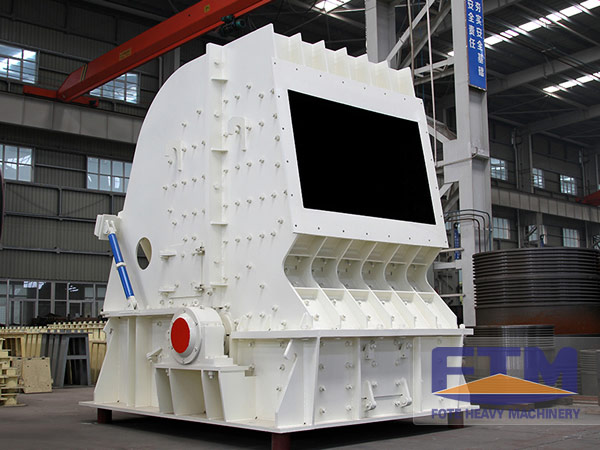
Input Size: ≤350
Capacity: 5-150m³/h
Areas Applied: mining, road, railway, chemistry, construction, building material, FRP scrap, and etc.
Materials: quartz, basalt, granite, iron ore, pebble, blue stone and etc.
Types Recommendation: PCΦ400×300\PCΦ800×600\PCΦ1000×800
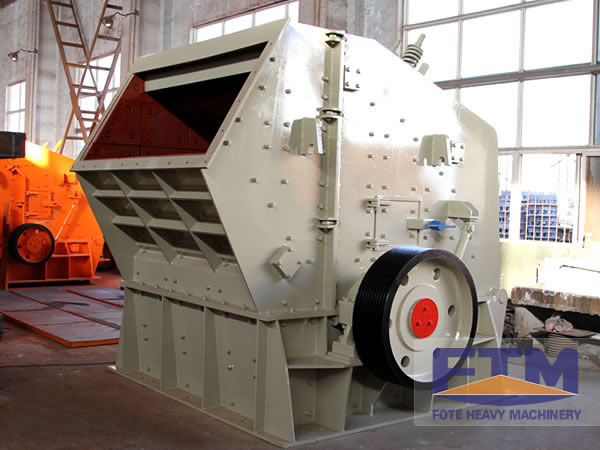
The Price of FRP Scrap Hammer Crusher
1. Policy and Price
In recent years, China has introduced a series of preferential policies for new environmental protection manufacturing industries, which will lead to continuous innovation and upgrading of the machinery manufacturing industry and improve environment quality. Meanwhile, national policy guidance can stimulate the development of industry, and regulate effectively the relationship between supply and demand, which is more of a function of regulating and stabilizing than of determining the fundamental price.
2. Market and Price
Market plays a relative important role in controlling prices, and it could be divided into two aspects: one is market supply and demand, the other one market competition. When market supply exceeds demand, the price of equipment is slightly lower. On the contrary, when supply is smaller than demand, the price of equipment will also be slightly higher. As for market competition: When the market competition is more intense, the price of impact crusher is relatively lower, whereas, the market competition intensity is relatively smaller, then the equipment price will be relatively higher.

